Excellent source of glucose precursors during transition period
Supports energy metabolism and rapidly increasing energy demand in high yielding ruminants
Key Features
Efficient applicability – easy to use
Individual oral administration or diluted to drinking water or pouring on top of TMR for direct fed
x3 Glucogenic substances together with additional energy carriers
-Blend of highly fermentable sugars
-Propyleneglycol
-Glycerin
-Calcium gluconate
Antioxidantsand B-Complex Vitamins
Vitamin E to mitigate oxidative stress & B-Complex Vitamins (B₁,B₃,B₁₂,B₉) for faster availability of blood glucose (TCA cycle)
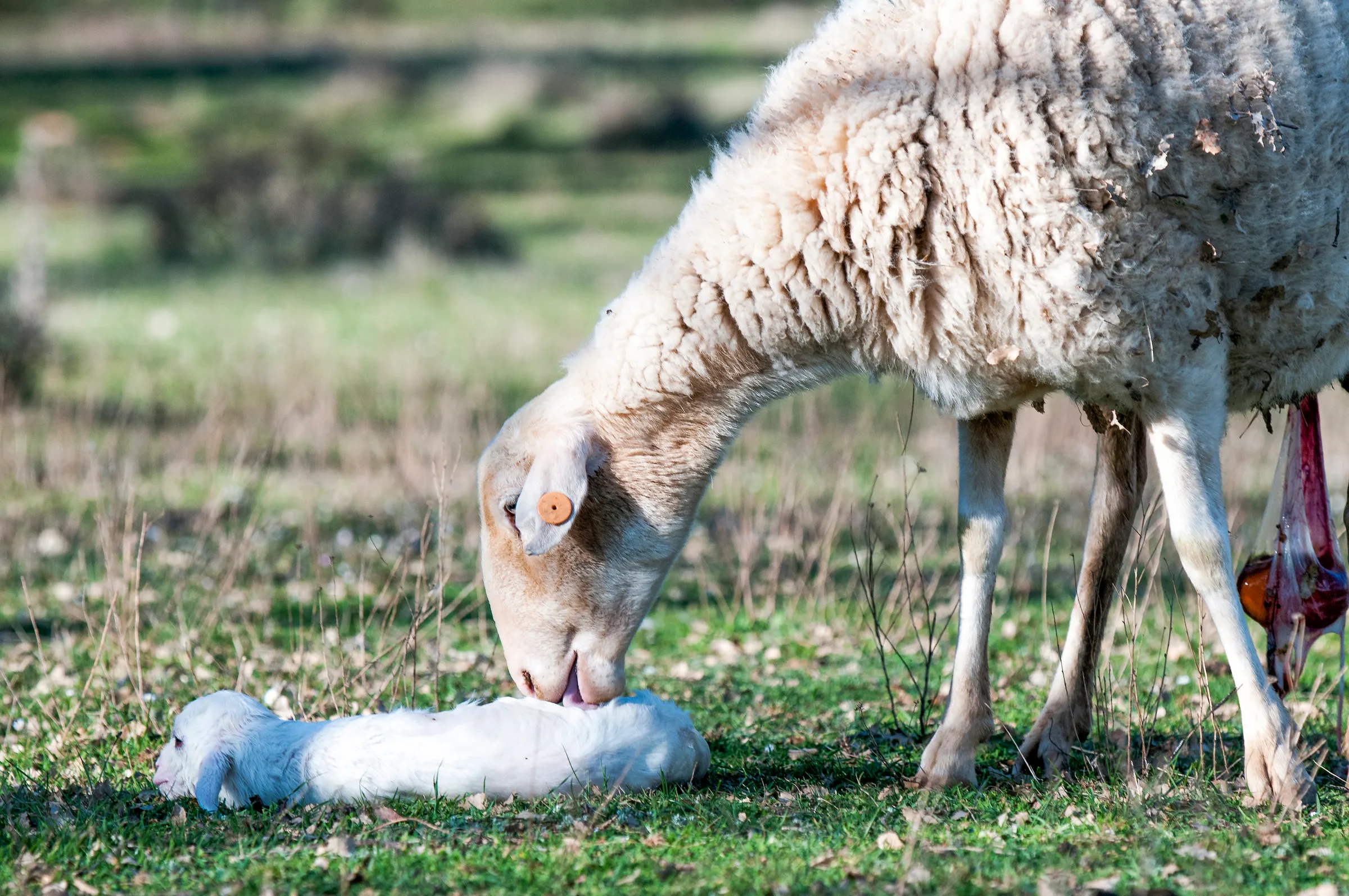
Can be administered for prevention of subclinical forms of metabolic diseases in high-producing sheep, goats or/and cows, related to negative energy balance during the perinatal period when needs are increased due to stress conditions or/and due to intense metabolic processes of the organism associated with the perinatal period. The solution can be administered by direct ingestion from the animal or after its dilution with water*.
How to use
Between three weeks pre-partum and six weeks post-partum for dairy cows. Six weeks pre-partum and three weeks post-partum for ewes and goats. In case of simultaneous administration of calcium or sodium propionates at the end of pregnancy, it is necessary to assess the mineral balance in combination with the risk of post-partum hyperbacteraemia.
Dosage: Sheep & Goats: 200 ml of solution per animal per day or 1L of solution for 5 animals per day. Cows: 1L per animal per day.
* Please take the advice of a Nutrition expert or your Vet.
Shake well before use
The Science behind
Ketosis is among the most significant health problems in high-producing dairy livestock operations including sheep, goats and cows causing hyperketonaemia, an excessive amount of ketone bodies in the animals` body fluids. Ketone bodies are intermediary metabolites produced by ketogenesis, a procedure where energy is produced from free fatty acid oxidation in the liver rather than from usage of glucose as primary energy source. They consist of β-hydroxybutyric acid (βHBA), acetoacetic acid, and acetone. Ketosis in sheep and goats results in pregnancy toxemia which is a fatal metabolic disorder related to glucose and fat metabolism and typically occurs during the last 6 weeks of pregnancy. At this period, nutrient demand for developing fetuses becomes significant with animals carrying twins and triplets requiring 180% to 240% more energy than those carrying singletons. Negative energy balance (N.E.B) making them susceptible to ketosis with morbidity up to 80% during the last week of gestation. Researchers observed pregnancy toxaemia rates in sheep between 6.5% and 37% (Al-Mujalli, 2008), while others (Gupta et al., 2008) reported a prevalence of subclinical ketosis (SCK) of 14.86% during the pregnancy and 13.51% during lactation in ewes. Glucose blood concentration is considered to be a direct indicator of energy balance in the organism and could be used as a diagnostic indicator. For high-performance dairy cows, ketosis is also a very common metabolic disorder especially during the first 6-8 weeks of lactation. Ketosis occurs in 7-14% on average of the total number of cows in a herd. Clinical symptoms of ketosis in cows include loss of appetite and acetone odor in their mouth and urine. Those symptoms are accompanied by a production drop and increase of concurrent illness including mastitis, metritis, displaced abomasum and poor reproductive performance. Although ruminants use volatile fatty acids as the major energy source, high-producing dairy animals hold a special position as increases in energy requirements driven by both fetal needs and lactogenesis. Energy deficiencies in the daily ratio and excessive fatness of pregnant animals leading to appetite loss and progressively to N.E.B. Animals releasing fatty acids into the bloodstream with a part of them entering the mammary gland and causing an increase in fat content in milk. This is one more index to predict SCK, as the fat to protein ratio in milk is elevated higher than 1.4:1. Ketosis prevention is based on keeping perinatal cows, sheep and goats in good condition score and nutrition level balanced on key glucogenic nutrients with the correct energy to protein ratio.
References
1: M. Pichler, A. Damberger, I. Schwendenwein, J. Gasteiner, M. Drillich, M. Iwersen, Thresholds of whole-blood β-hydroxybutyrate and glucose concentrations measured with an electronic hand-held device to identify ovine hyperketonemia, Journal of Dairy Science Volume 97, Issue 3, March 2014, Pages 1388-1399
2: Piotr Guliński, Ketone bodies – causes and effects of their increased presence in cows’ body fluids: A review, Vet World. 2021 Jun; 14(6): 1492–1503
3: Vania Marutsova, Plamen Marutsov, SUBCLINICAL AND CLINICAL KETOSIS IN SHEEP – RELATIONSHIPS BETWEEN BODY CONDITION SCORES AND BLOOD βHYDROXYBUTYRATE AND NON-ESTERIFIED FATTY ACIDS CONCENTRATIONS, TRADITION AND MODERNITY IN VETERINARY MEDICINE, 2018, vol. 3, No 1(4): 30–36