Nutri-Hoof3® powder

100g | 3kg | 15kg

Dietary supplementary feed for ruminants, swine and poultry
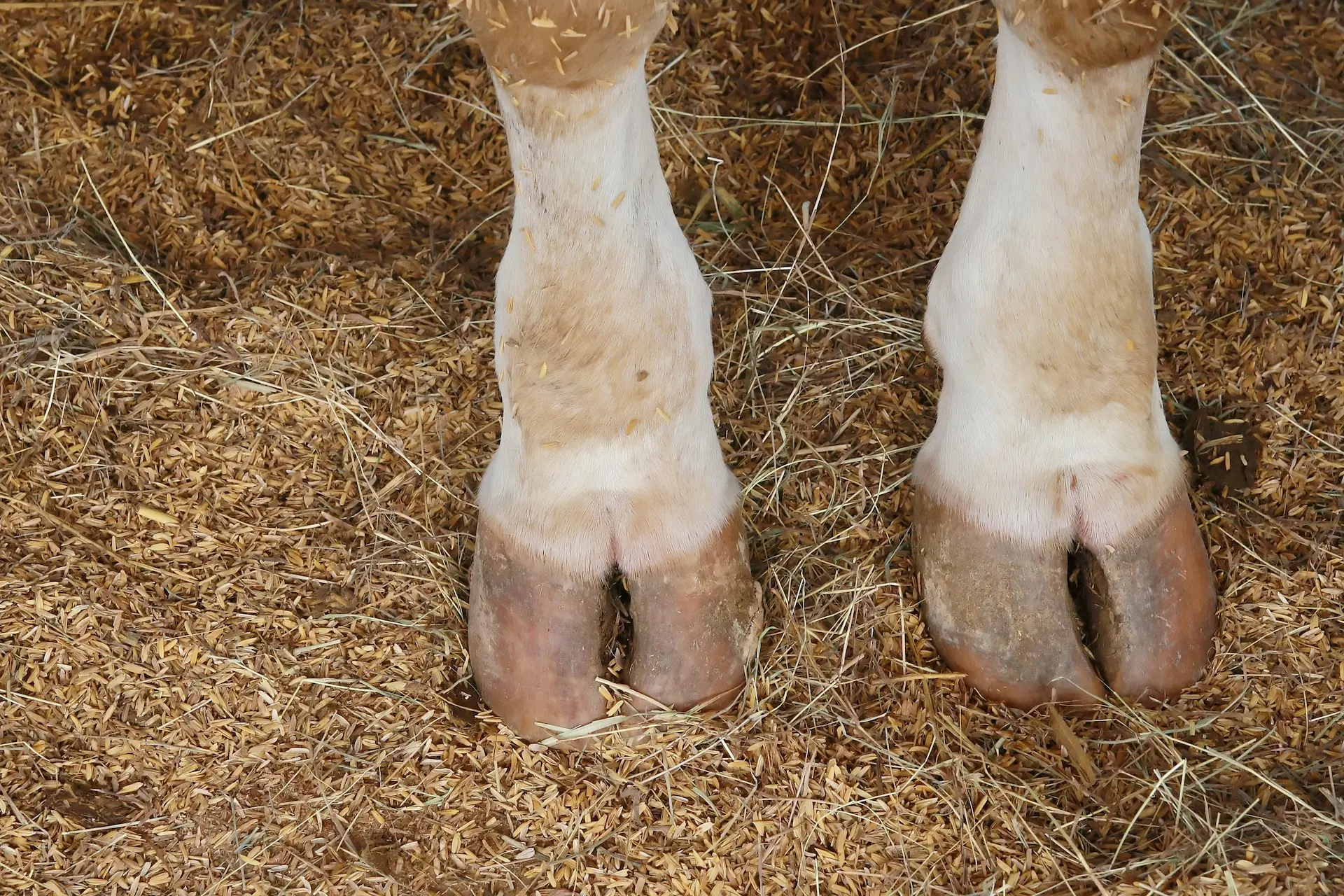
Support the hoof regeneration, skin and outgrowth rejuvenation

A shield for the hooves, immune & reproduction system

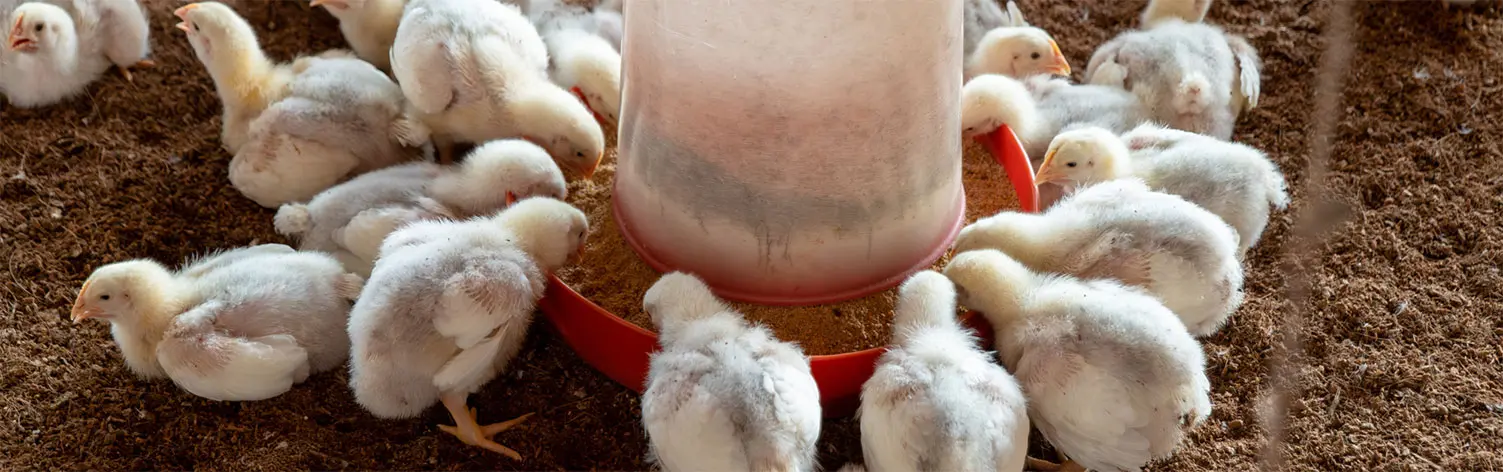
  • High concentration of Biotin for intra-/extra-cellular biochemical composition of keratin to support hoof health in ruminants and to control Foot Pad Dermatitis (FPD) in broilers
  • Optimum absorption rates of Zn²⁺, Mn²⁺, Se²⁺ to improve enzymatic function and FCR
  • Additional immunity, udder health with boosted Vitamin E levels supporting antioxidant activity, lowering SCC and improving colostrum quality
  • Oxidative stress control through additional forms of Zinc and Se-Yeast supplementation in poultry ration. Alleviate heat stress effects on immune system, increasing antibodies (IgG and IgM), interleukins production (TNF-α, INF-γ and IL-2) and phagocytic functions of macrophages

Key Features

  • Optimum absorption rates of critical microminerals through out the gastrointestinal tract
    Multiple combinations of several mineral formats of Inorganic: Organic: Hydroxy trace minerals considering solubility, molecular weight, geometry, complex size, purity, density and pH dissociation level, offering optimum absorption rates of critical microminerals including Zn²⁺, Mn²⁺, Se²⁺, I through out the gastrointestinal tract
  • Oxidative stress control and support of metabolism
    Support against oxidative stress and impaired metabolic rate with high levels of Vitamin E (alpha tocopherol types), highly bioavailable forms of Selenium (SeMet & Se-yeast) and high levels of Biotin (co-enzyme factor in carbohydrate, fat and protein metabolism)

Mode of action

Zn²⁺ and Mn⁺² co-factoring multiple enzymatic functions amongst most critical, is the need for Mn⁺² by superoxide-dismutase to break down the toxic superoxide (ROS) into water and hydrogen peroxide to maintain cell survival. Zn²⁺ coated nanoparticles, inhibit pathogenic bacteria and protect intestinal mucosal by enriching microbiota and enhancing transmembrane proteins associated with barrier function. Tight junctions seal the intercellular space. They contain the transmembrane proteins claudins and occludins, as well as regulatory proteins and the peripheral membrane proteins zonula occludens-1 (ZO-1) and zonula occludens-2 (ZO-2). Intestinal mucosal barrier provides direct effects of pro-inflammatory cytokines that are synthesized by three different cellular sources:
❑Epithelial cells (Interleukin-1ββ),
❑Innate immune cells (tumor necrosis factor-α), and
❑Adaptive immune cells (interferon-γ)
Interleukin-18 (IL-1ββ) is produced by epithelial cells following inflammasome activation and induces the production of tumor necrosis factor-α (TNFα) and interferon-γ (IFNγ) in specialized immune cells. It also acts as an autocrine-paracrine signal influencing intestinal goblet cell development, and inhibition of IL-1β signalling reduces mucus production and induces resultant mucosal damage. TNFα is a potent pro-inflammatory cytokine primarily produced by activated monocytes and macrophages. IFNγ is produced by T-lymphocytes and other specialized immune cells to aid in the adaptive immune response, especially in response to viral infection. High levels of plasma TNFα and/or IFNγ have been recorded in multiple bovine inflammatory disorders such as metritis, acidosis, heat stress, impaired feed intake and ketosis. Inflammatory cytokine treatment, specifically TNFα or IFNγ, increases the barrier permeability and junctional tortuosity and disrupts epithelial cell cycle.

How to use

25g Nutri hoof3® integrated into 1kg of animal feed or corn wheat.

Dosage:
Sheep-Goats: 1-2 meals/animal and up to 50g per day.
Cattle: 6-8 meals/animal and up to 200g per day.
Poultry-Swine: 2-4 meals/animal and up to 50g per day.
Equidae: 2-4 meals/animal and up to 50g per day.

Recommended time of usage: Up to 8 weeks. For Ruminants up to 6 months.*

*Please take the advice of a Nutrition expert or your Vet, before usage and for the extension of period of usage.

The Science behind

Homeostasis of trace elements is of highest importance on a cellular level for all species. Trace elements such as manganese (Mn²⁺), selenium (Se²⁺), copper (Cu²⁺), iron (Fe²⁺) and zinc (Zn²⁺) are essential and critical co-factors and components of larger molecules and enzymes for several biological processes.¹ Physiological functions are necessary for development, growth, reproduction, immune system, and energy metabolism.² Specifically, Zn²⁺ and Mn²⁺ are structural constituents and catalytic molecules of the antioxidant enzyme - superoxide dismutase (SOD). They also act on immunity mediators such as thymus peptides, cytokines and enzymes. Zn²⁺ and Mn²⁺ are co-factors involved in the carbonate and mucopolysaccharide synthesis which is necessary for bone formation.³ Homeostasis of trace element nutrition (Deficient:Toxicity) is critical for immune response against certain diseases.
Nutri-Hoof₃® delivers optimum absorption rates of key nutrients, including yeast cell walls, offering a unique combination of several forms of trace elements and additional levels of Vitamin E and Biotin. Vitamin E functions as an antioxidant in synergy with Se²⁺ against free radicals maintaining cell membranes' integrity. It supports reproductive, muscular, circulatory, nervous and immune systems, thus lowering clinical mastitis and risk of displaced abomasum. It also prevents white muscle disease in calves, ewes/kids. Higher bioavailable and digestible Selenium forms (SeMet) reduce Somatic Cell Count (SCC) in dairy animals and increases Se²⁺ concentration in colostrum supporting vigorous newborns.⁴ Extra Biotin acts as coenzyme in carbohydrate, fat and protein metabolism. What is more, boosted levels of Biotin support intra- and extra-cellular biochemical composition of keratin in combination with bioavailable forms of Zn²⁺ strengthen hooves supporting indirectly against white-line disease in dairy cattle.

VIEW BY ANIMAL SPECIES