How to use
Administered when a rapid increase in sugars is indicated to support the energy metabolism, increase the motility of the forestomachs and of the digestive system, or when the needs are increased due to heat stress, animal movement, and/or stimulation after vaccination and/or during the prenatal period and/or during appearance of other digestive disorders related to changes in daily ration. Increases the mobility and vitality of the forestomachs and intestines.
Dosage:
Sheep & Goat: Diluted in warm water (27oC) for direct administration up to 50g per animal per day.
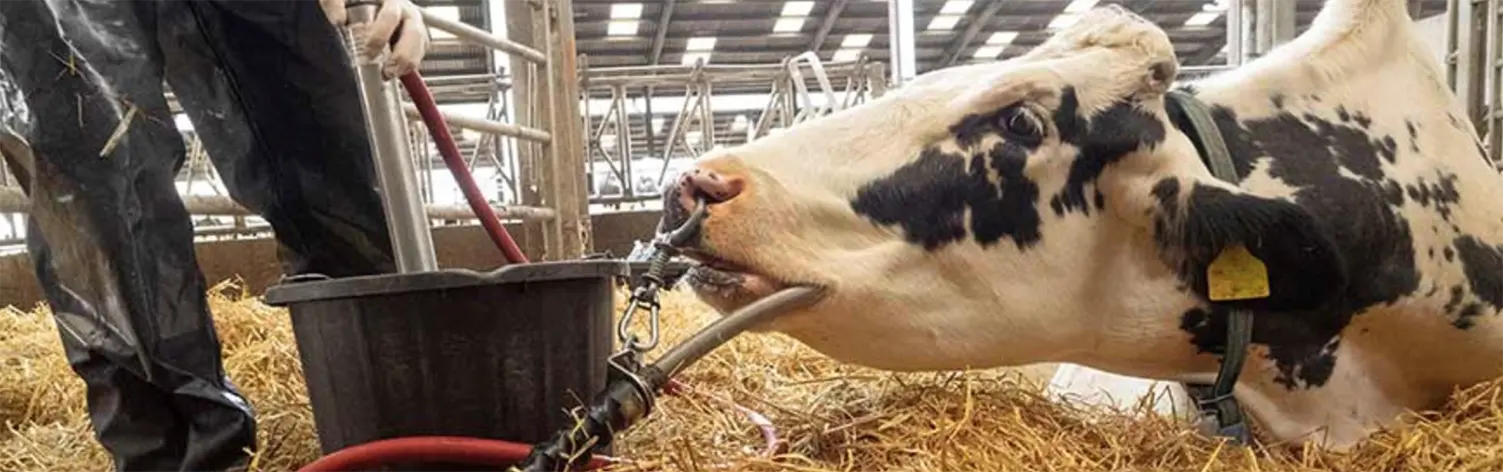
Cattle: Diluted in warm water (27oC) for direct administration up to 200g per animal per day (with or without drench pump).
Recommended time of usage: 1-3 days.*
*Please take the advice of a Nutrition expert or your Vet.
In most of the cases, rumen mobility is a hidden, non-measurable issue directly affecting overall metabolism. Ruminant nutrition can be well described by the dynamic symbiosis of rumen flora and the host animal. During the dietary and metabolic switch between multiple production phases or ruminant nutrition considering also the complexity of reasons (nutritional and non-nutritional) which may trigger rumen microbes' efficacy, Energy Promoter® can stimulate rumen capabilities. Rumen motility for an efficient energy metabolism is of utmost importance, especially during perinatal period in dairy ewes and cows. Focus entirely during transition period, between the close-up to early lactation period, it’s a period characterized by negative energy balance because of negative nutrients and energy supply and insufficient to meet the rapid and high demands for milk production. Inadequate post-freshening recovery may significantly increase production losses and veterinary treatments. Rapidly fermentable energy sources, yeast-cell walls and oligofructanes promote forestomach mobility and stimulate hindgut fermentation. Energy metabolism is further supported with key dynamic nutrients such as B-Complex Vitamins (Β₁, Β₃, Β₁₂, Β₉), Propionates and β-carotene. Calcium propionate provides a rapid source of absorbable calcium with the propionate fraction converting to blood glucose and balancing low blood calcium mainly for hypocalcaemia. Specific yeast culture stimulating fibre-digesting bacteria, reduce lactic acid levels in the rumen targeting a higher dry matter intake stimulating appetite.₂ Research showed that ketosis is also associated with inflammation (Yang et al., 2012). Low glucose levels leading to ketosis. Preventing hypoglycaemia, ketosis is also prevented as fat mobilization for glycolysis, in the liver and the synthesis of ketones is avoided.