Dietary supplementary feed for calves, lambs and goat kids Stabilization of water and electrolytes balance, for the support of normal digestive function
Fast, effective and preventative solution against diarrhea stress. Keeps calves, lambs and goat kids rehydrated with supportive role in gut health and integrity.
Optimum anion to cation ration Na⁺ : K⁺: Cl⁻ provides fast rehydration and supports appetite and digestion while meal frequency increases.
Isotonic solution with high sugar content rapidly digestible providing high absorbability and rapid energy recovering.
Additional Vitamins E, B₁ and B₃ to support energy metabolism for fast recovery to immunodepression and oxidative stress.
Oligofructose and Oligofructanes act as prebiotics in the gut stimulating intestinal health integrity.
Key Features
Activation of peptide GLP-2
Higher Hexose transport & Proliferation
Lower Apoptosis, Permeability &Motility
Intestinal growth of Bifidobacteria and Lactobacilli
Prebiotic effect with OS supporting intestinal growth of Bifidobacteria and Lactobacilli
Solubility, Palatability and Absorbability
Water soluble solution finely mixed with milk replacers
Vitamin E, B₁ , B₃ and Na⁺: K⁺: Cl⁻ balance
Boost energy metabolism and cell membranes integrity
Isosmotic solution (equimolar amounts of Na⁺ and glucose)
How to use
It is recommended in case of risk of digestive disorders, during digestive disorders, or during recovery from digestive disorders (diarrhea). It is recommended to use up to 25g I-Guard® per 1L of milk replacer and up to first 2 weeks of suckling. To stop diarrhea, use max 50g I-Guard® per 1L of water replacing 1-2 meals of milk replacer up to 2-3 days followed by gradual introduction of full milk replacement meals using 25g I-Guard® per 1L and up to 1 week treatment.
Recommended time of usage: 1-7 days.*
*Please take the advice of a Nutrition expert or your Vet.
The Science behind
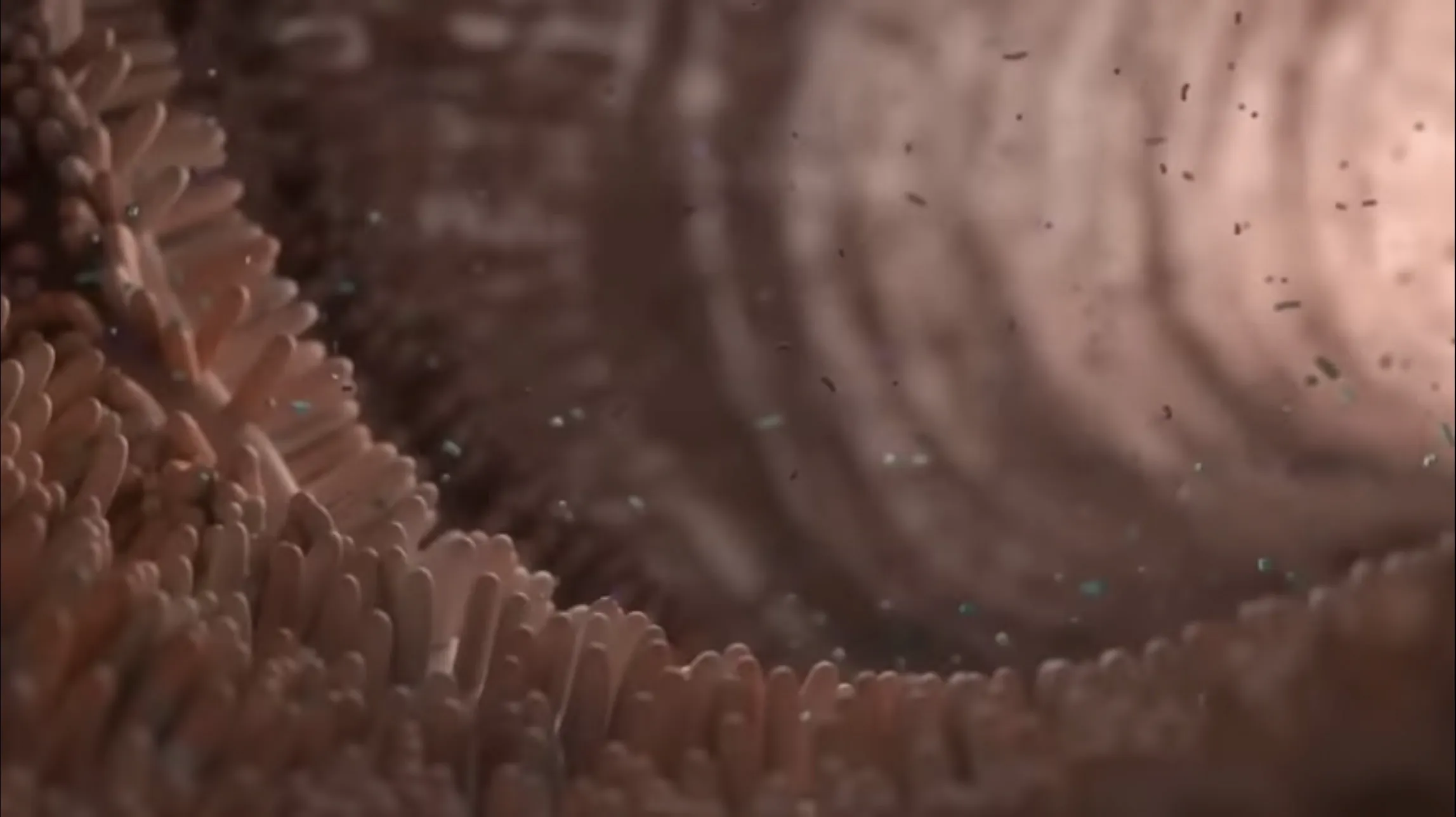
The gastrointestinal (GI) tract comprises an extensive interface between an organism’s internal and external environments it is responsible for various functions including nutrient digestion and absorption, hormone production and it plays a primary role as a physical barrier between the luminal content of the GI tract and internal, sterile, tissues. As a selective barrier with a primary goal of facilitating nutrient and water absorption, the GI tract must also prevent the entry of harmful substances and organisms, while also preventing the water loss and beneficial solutes (ions, macromolecules etc.). The integrity of this barrier and the resulting permeability is influenced by numerous factors, one of them being inflammation. Over 50% of calf mortality in the first stages of life is due to diarrhea. Cryptosporidium parvum is among the primary causative factors of this disease.¹ Pathogens and toxins weaken and kill the gut lining and cells along the villi and villi-associated proteins that act as a barrier to keep bacteria out. Diarrhea contributes to calf morbidity, nutrient malabsorption, and poor production performance.² Diarrhea is triggered by inadequate absorption of nutrients as a result of overfeeding ingredients that are hard to digest or not well absorbed. This is often seen during cold weather when calves need more nutrients and instead of adding additional feedings of milk replacer, calves are fed more milk replacer but still only twice per day. Diarrhea treatment mostly focuses on replacement of lost fluids with electrolytes and re-establishment of acid-base balance within the digestive tract. Most of the cases can be well controlled under preventive management practices. Studies showed that Glucagon-like peptide 2 (GLP2), a pleiotropic hormone, has a prophylactic effect on the gastrointestinal tract of calves. GLP2 actions related to the regulation of energy absorption and maintenance of mucosal morphology, function and integrity of the intestine.³ GLP2 is released in response to stimulation by luminal nutrients, such as glucose, fatty acids and dietary fibre.⁴
References
1: Yong-Il Cho, Kyoung-Jin Yoon, An overview of calf diarrhea - infectious etiology, diagnosis, and intervention, 2014, J. Vet Sci. 2014;15(1):1-17)
2: Ingrid Lorenz, John Fagan, Simon J More, Calf health from birth to weaning. II. Management of diarrhoea in pre-weaned calves, 2011, Ir. Vet J. 2011; 64(1): 9
3: Daniel J Drucker, Bernardo Yusta, Physiology and pharmacology of the enteroendocrine hormone glucagon-like peptide-2, 2014, Annu. Rev. Physiol. 2014;76:561-83
4: Patricia L. Brubaker, The Glucagon-Like Peptides Pleiotropic Regulators of Nutrient Homeostasis, 2006, Volume1070, Issue1, Pages 10-26
5: Scientific Reports | (2022) 12:14578, www.nature.com/scientificreports Paracellular permeability and tight junction regulation in gut health and disease| Nature Reviews Gastroenterology & Hepatology