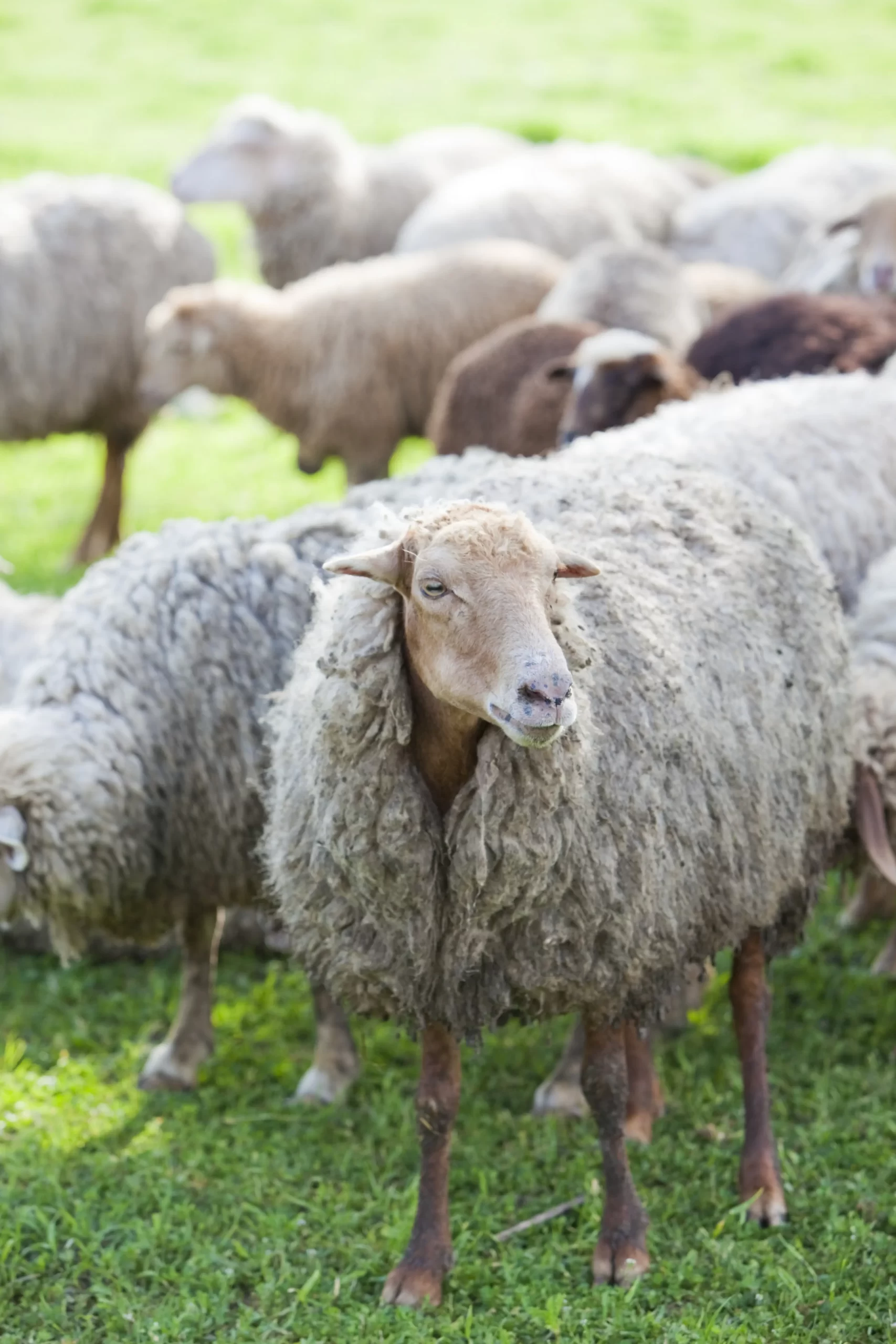
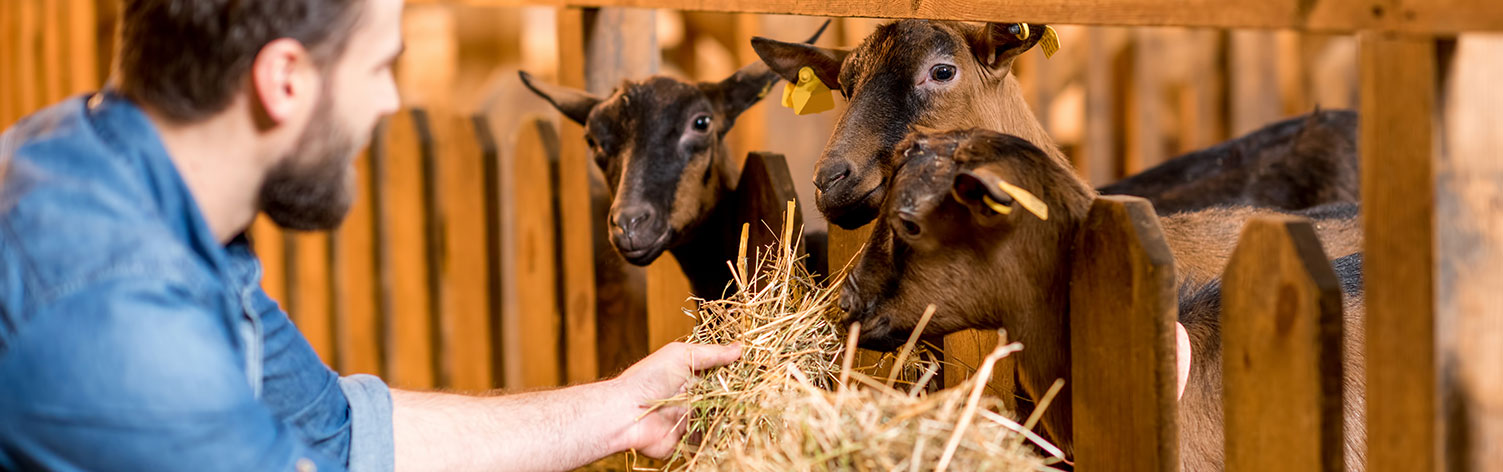
Vita-LIQ® powder

100g | 3kg

Dietary supplementary feed for ruminants, poultry, swine and rabbits
Complementary supply of vitamins, trace elements and amino acids to support increase of dietary requirements.

A complete multivitamin feed grade solution with extra Amino Acids and Chelated Minerals to boost immunity and response to stress factors

  • Complete vitamin supplementation solution
  • Top-up blood levels with crucial chelate forms of trace elements including Zn²⁺ , Mn²⁺, Fe²⁺
  • Direct immune response with supplementary feeding of limiting amino acids LYS:ME
  • Beneficiary pre-/post-vaccination and supportive against routine stress factors including dietary transitions, livestock movements and supportive during perinatal period

How to use

It can be administered in cases where supplementary nutrition in vitamins, trace elements and amino acids is indicated and/or when the needs are increased due to strain, heat-oxidative stress, transport of the animals and/or stimulation of the reproductive and/or immune system, especially after vaccination and/or when adaptation to dietary changes is indicated.

Dosage:
Sheep & Goats: Add 2 - 5 g of Vita-LIQ® powder to 1 kg of feed (<5g/animal/day).
Cattle: Add 10 - 15 g of Vita-LIQ® powder in 1 kg of feed (<15g/animal/day).
Lamb, Goat kids & Swine: Add 1 - 2 g of Vita-LIQ® powder in 1 kg of feed (<2g/animal/day).
Poultry & Rabbits: Add 1 - 2 g of Vita-LIQ® powder to 1 kg of feed (<2g/animal/day).
Recommended time of usage: 2-15 days.*

*Please take the advice of a Nutrition expert or your Vet, before usage and for the extension of period of usage.

The Science behind

Vitamins and trace elements are not energy carriers (dynamic nutrients) used in rations from 0.1 up to 0.3%. They are critical to improve energy and protein metabolism because of their involvement in enzymatic phenomena on a cellular level amongst (re-)productive tissues. They are key drivers to promote animal health due to their direct relation with the immune system. Many macro- and micro elements are associated with various vitamin syntheses and synergistic reaction to enzymatic functions. In dairy nutrition, supplementary feeding of vitamin and key trace elements can regulate growth rates, fertility, udder health, reduced SCC and improve productivity but also help the animals manage with inflammatory response. Low blood levels of Zn²⁺ and Fe²⁺ result to hypozincaemia due to the redistribution of those trace elements from blood plasma circulation to hepatocytes, therefore stored in the liver, in response to inflammation and endotoxins release in ruminants.¹ Vitamins considered as essential nutrients for optimum health and physiological functions. Vitamins have a catalytic function that facilitate nutrient synthesis, controlling metabolism and affecting the health and performance of livestock. In grazing dairy ewes, the dietary vitamin and trace mineral supplementation during dry season led to an increase of milk production and quality, with positive improvement in milk clotting aptitude.² In poultry nutrition, vitamins may improve the development of the intestinal mucosa and protect enterocytes from proapoptotic oxidant stress.³ Studies showed that diets supplemented with vitamins and minerals play an important role in disease treatment because they act as hormone and enzyme activators and they allow animals to use proteins and energy for improving health, FCR, eggshell formation, growth, and reproduction.⁴

References

1: W.J. Miller, Mineral and Vitamin Nutrition of Dairy Cattle, Journal of Dairy Science, Volume 64, Issue 6, June 1981, Pages 1196-1206

2: Vincenzo Tufarelli, F Petrera, R U Khan, Vito Laudadio, Vitamin and trace element supplementation in grazing dairy ewe during the dry season: effect on milk yield, composition, and clotting aptitude, Animal Health Production 2011 Jun;43(5):955-60

3: Hassanpour H., Bahadoran S. & Borjian N., Vitamin E Improves Morphology and Absorptive Surface of Small Intestine in Broiler Chickens Reared at High Altitude, Poultry Science Journal 2016,

4 (1): 19-26 4: L. Mcdowell, N. Ward, Optimum vitamin nutrition for poultry, Lee R. McDowell, Department of Animal Sciences, University of Florida, Gainesville, Florida 32611, USA

5: Robert J. Van Saun, Feed Supplements: Microminerals and Organic-Chelated Minerals, Encyclopedia of Dairy Sciences (Third edition) 2022, Pages 527-539

6: Laurann Byrne, Richard A. Murphy, Relative Bioavailability of Trace Minerals in Production Animal Nutrition: A Review, Animals 2022, 12, 1981

VIEW BY ANIMAL SPECIES